
Fish Care
How to Raise Fish Fry at Home: A Simple Step-by-Step Guide
1. Separate the Fry from the Parents It is common that adults will feed on their offspring. Hence, this is the first thing you should do. Place the fry in another separate small aquarium or a breeder box in the same aquarium.In case your female is pregnant, place her in the breeder box a couple of days before the birth, and remove her immediately after birth.Choose the size depending on how many offspring you have. Small size (5 to 10 litres) will be good for a few fry. A larger tank will be necessary for many fry. 2. Use an Air Pump with a Filter for Oxygen and Beneficial Bacteria The fry breath faster than the adults, and they are very sensitive to the absence of oxygen in water. The use of an air pump with a filter fits perfectly in this problem. The air pump provides oxygen in the water by making bubbles.Oxygen makes the development of the fry healthy and quick.The warm water has low oxygen; thus, the air pump is essential in summer and when the number of fry is many in the tank. 3. Provide Crashed Food Fry have small mouths and will not be able to eat flakes and pellets. Crush the flakes by pressing them between your fingers into a fine powder.Alternatively, you can purchase baby fry powder from the pet store.Feed the fry with the crushed food 3 to 4 times a day since they have small stomachs.Do not leave uneaten food for more than 5 to 10 minutes since it will pollute the water. 4. Home-made Food to Help Fry Grow Home-made food is cost effective and effective. The following two recipes are among the easiest ones. Boiled Egg YolkCook an egg and peel only its yolk.Smash a little piece of it by hands in a cup of tank water.Pour several drops of that milky water into the aquarium.It is packed with proteins and fats that accelerate fry growth.Note: use a small quantity. The egg yolk will dirty water rather quickly. Perform a water change in case of increased dirtiness. Spinach PureeBoil fresh spinach in water for 1-2 minutes. Cool down the vegetables in cold water.Mash them up or grind into a puree.Offer a little bit of it to your fry. They will nibble and receive their vitamins and fiber.Keep additional puree in the fridge no longer than 1-2 days. TIP: Combine crushed flakes, egg yolk and spinach in turns. 5. Ensure Consistent Temperature through Heating Fry are highly sensitive to sudden changes in temperature. The best temperature for most tropical fish species such as guppies, mollies, platies, and bettas is 26 to 28 °C.In the winter season, use a heating system in your aquarium with a thermostat along with a thermometer in it.Heater would be required only in the winter season whereas in summer season, you do not need it because water might get heated due to direct sunlight. Do not make any sudden change. Water quality is the most important thing for survival and rapid growth. Change 10% to 20% water every 2 to 3 days.To remove waste from the aquarium bottom, you can use a thin airline tube or small siphon without sucking the fry.Introduce dechlorinated water (by letting tap water remain for 24 hours or using water conditioner) into the aquarium having the same temperature as that of the aquarium. 6. Plants and Rocks for Covering and Relaxing Fry become less stressed and develop better when they have hiding places. Plants such as Java moss, hornwort, or guppy grass should be added to provide shelter and also some natural food (infusoria).Small rocks or caves can be used as hiding places too.All the decorations should be smooth without sharp edges.Don’t crowd the breeding tank with decorations. There should be enough free space for the fish to swim. Move Young Fish to the Main Tank Once They Reach Juvenile SizeFish fry should be moved to the main tank once they grow up to a size when they will not be able to fit into the adult fish’s mouth. It takes 1–2 months, depending on the species.Move the young fish carefully. Float the bag or the cup in which they were transported in the main tank water for about 15–20 minutes. Slowly add tank water into the cup.Monitor their behavior and activity for at least a few days after they are moved. 7. If There Is a Problem, Separate Them Again If you see any of these symptoms, remove the affected fry immediately: Bullying or chasing by adult fishFry hiding all the time and refusing to eatUnderdeveloped growth in comparison with other fishThe presence of the disease such as white spots, clamped fins, or strange position of the body in the waterSmaller in size than other fries (sort fries by size so small ones won’t be competing) Keep them in a separate aquarium until they become healthy. Alter the conditions in the aquarium in accordance with their needs (temperature, food, aquarium size). Quick ChecklistTask FrequencyFeeding of fry 3-4 times a day, small portionsChanging water Every 2-3 days (10-20%)Checking the temperature DailyCleaning aquarium from uneaten food After each feedingChecking for diseases Daily Conclusion Raising fry requires patience, but if you follow these simple rules: separating fries, feeding them often in small portions, maintaining a clean warm water and creating hiding places – then raising fry will be easy. In this case, most of your fries will grow into adult healthy fish. Good luck with your fish keeping! 🐟
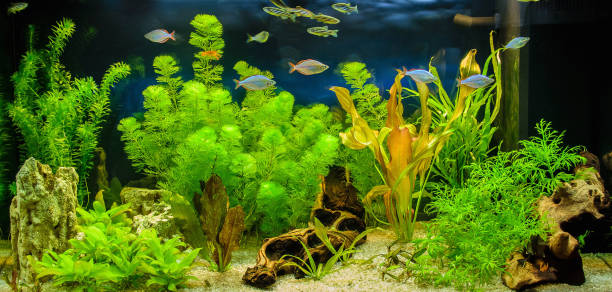
Low Tech Aquatic Plant : For Beginners
Aquatic plants are a necessity when it comes to creating an attractive and successful aquarium.

Guppy Breeding : How to Easily breed Guppies At Home
Guppies are livebearers, so that means that instead of laying eggs, they give birth to live babies. As a hobbyist for guppies, it would definitely be helpful for you to know

How to care Guppy Fish : Every one You Need To Know
Guppies are one of the most popular aquarium fish that people keep. I am thrilled to be able to share with you what I have learned in my years of experience as an aquarist. This article will cover everything you need to know about how to care for your guppies, including the best tank setup, water quality, and feeding.