
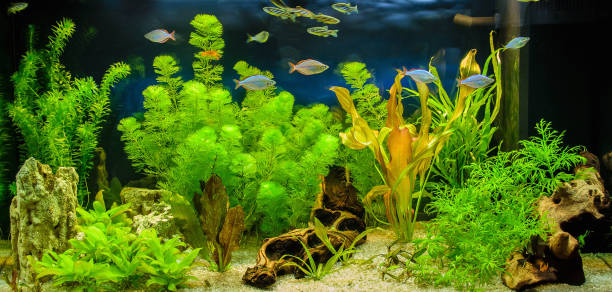
Low-Tech Aquatic Plants: For the Beginner*
Aquatic plants are a necessity when it comes to creating an attractive and successful aquarium. Unfortunately, many believe that to grow aquatic plants, one needs a lot of technical knowledge and the incorporation of expensive equipment. Fortunately, this could not be farther from the truth. For people starting aquariums and wanting a little green in their tank without breaking the bank, there are great low-tech choices available.
Low-Tech Aquatic Plants?
Low-tech plants are those that require only an aquarium with low equipment and care. They are often hardy and adaptable, or forgiving, which makes them perfect for a complete beginner or someone who doesn’t want to invest in a high-tech aquarium.
Advantages of Low-Technology Aquatic Plants
- Easy to Care For: Low technology aquatic plants are relatively less demanding, requiring less light, CO2, and nutrients compared to high technology plants.
- Cost-Effective: Often, the low-tech plants are cheaper to buy and require less maintenance, hence cheaper than high-tech plants.
- Forgiving: This means that some minor mistakes in water parameters and lighting are easily tolerated by the low-tech plants, making them perfect for beginners.
- Natural Environment:
Low-tech plants can ensure a natural environment around the fish, giving them places to hide and food sources.
*Common Low-Tech Aquatic Plants
- Java Moss: A common, easy-to-grow plant that can be grown on rocks or driftwood.
- Anacharis: This is a fast-growing aquatic plant that can be consumed by fish.
- Conga Tetra Plant: An easy-to-maintain plant with lovely leafy greens
- Cryptocorynes: There is a flexible plant, which is available in many different shapes and sizes.
- Vallisneria: A popular plant which will grow to be quite tall and make a natural background for your aquarium.
Tips for Growing Low-Tech Aquatic Plants
There are 1. *Provide Adequate
Lighting:* Although low-tech plants require less light than high-tech plants, they require some light for their photosynthesis process.
- Use a Good Quality Substrate:
A good quality nutrient-rich substrate will contribute to healthy plant growth. - Good water parameters: It can prevent algae growth, hence making the water safe for your fish, and ensure good growth of plants.
- Don’t Over-Feed: Excess food can lead to algae and poor plant growth.
Common Challenges and Solutions*
- Algae Growth: Perform regular water changes and provide proper lighting conditions to avoid algae growth.
- Plant Melting This may result from sudden changes in water conditions or lighting. When adding new plants to your aquarium, do this gradually to avoid plant melting.
- Pests: Regularly inspect plants to check if they have pests and act to control them to prevent infestation.
*Conclusion For beginners, low-tech aquatic plants can be a fantastic choice that will not drain your pockets. Provided that they receive the right attention, low-tech aquatic plants will be able to thrive, making your aquarium a haven that will be the envy of all your friends. By adhering to the advice provided in the article below, it is possible to have all the benefits that low-tech aquatic plants have to offer.